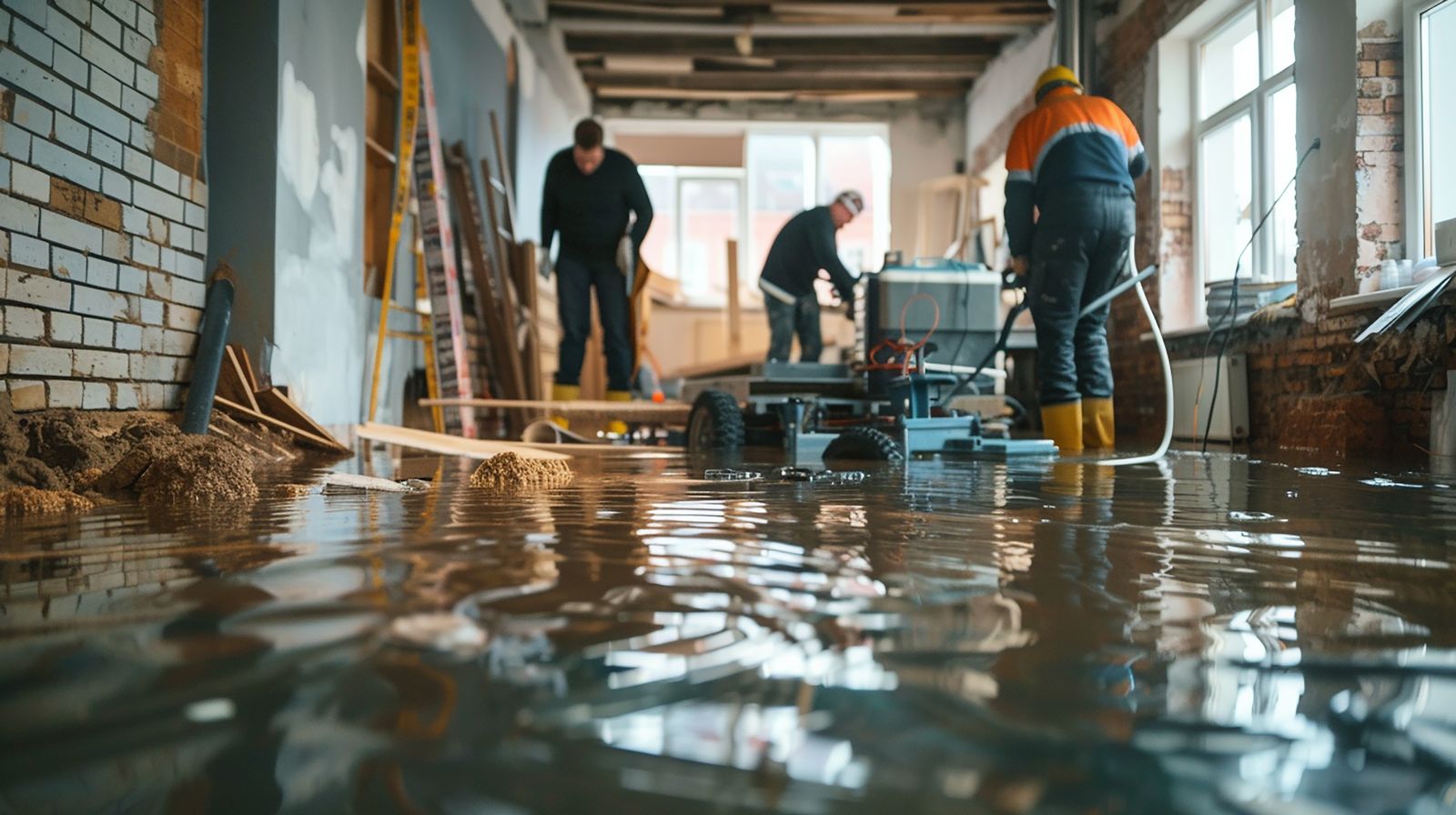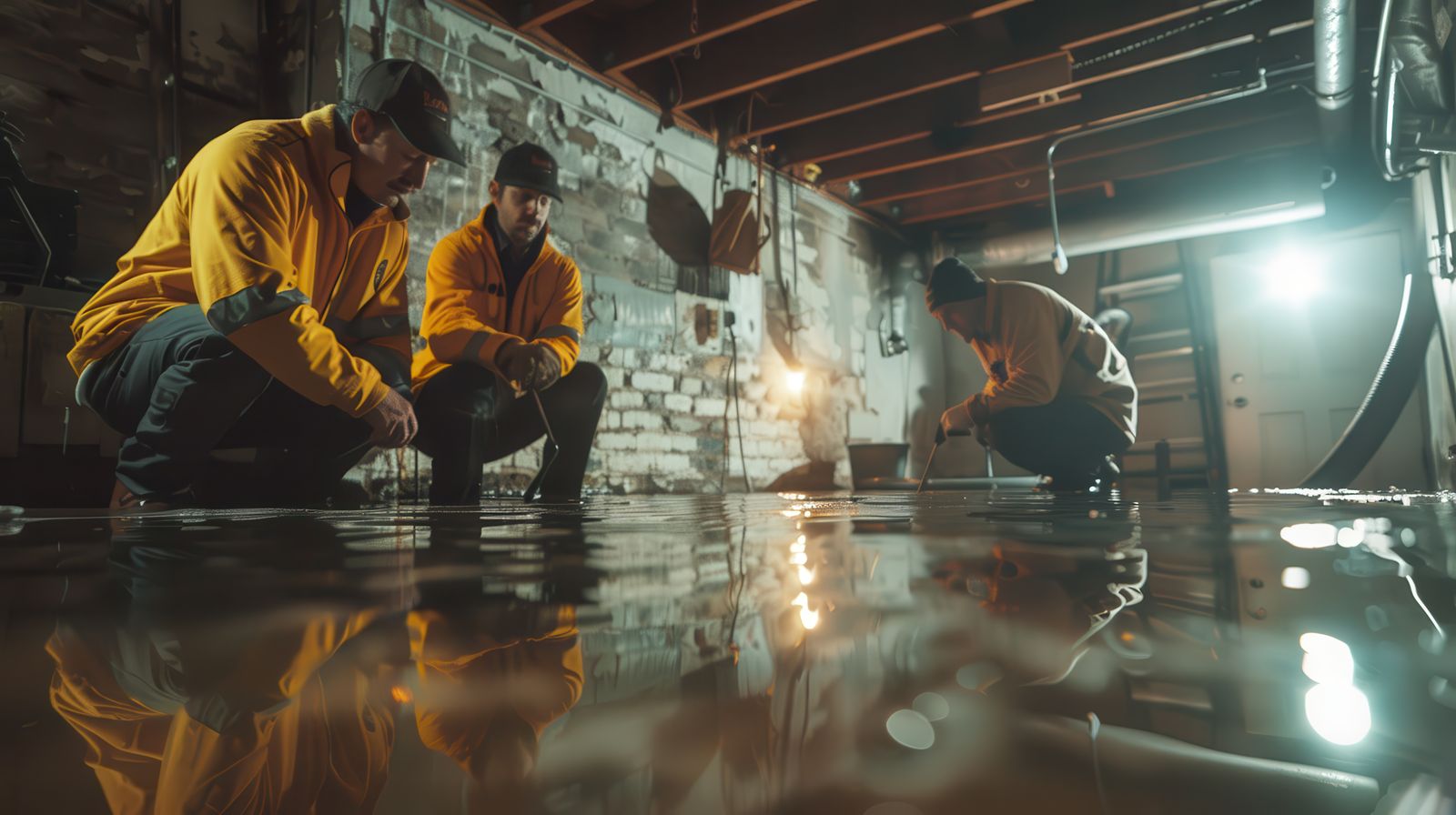
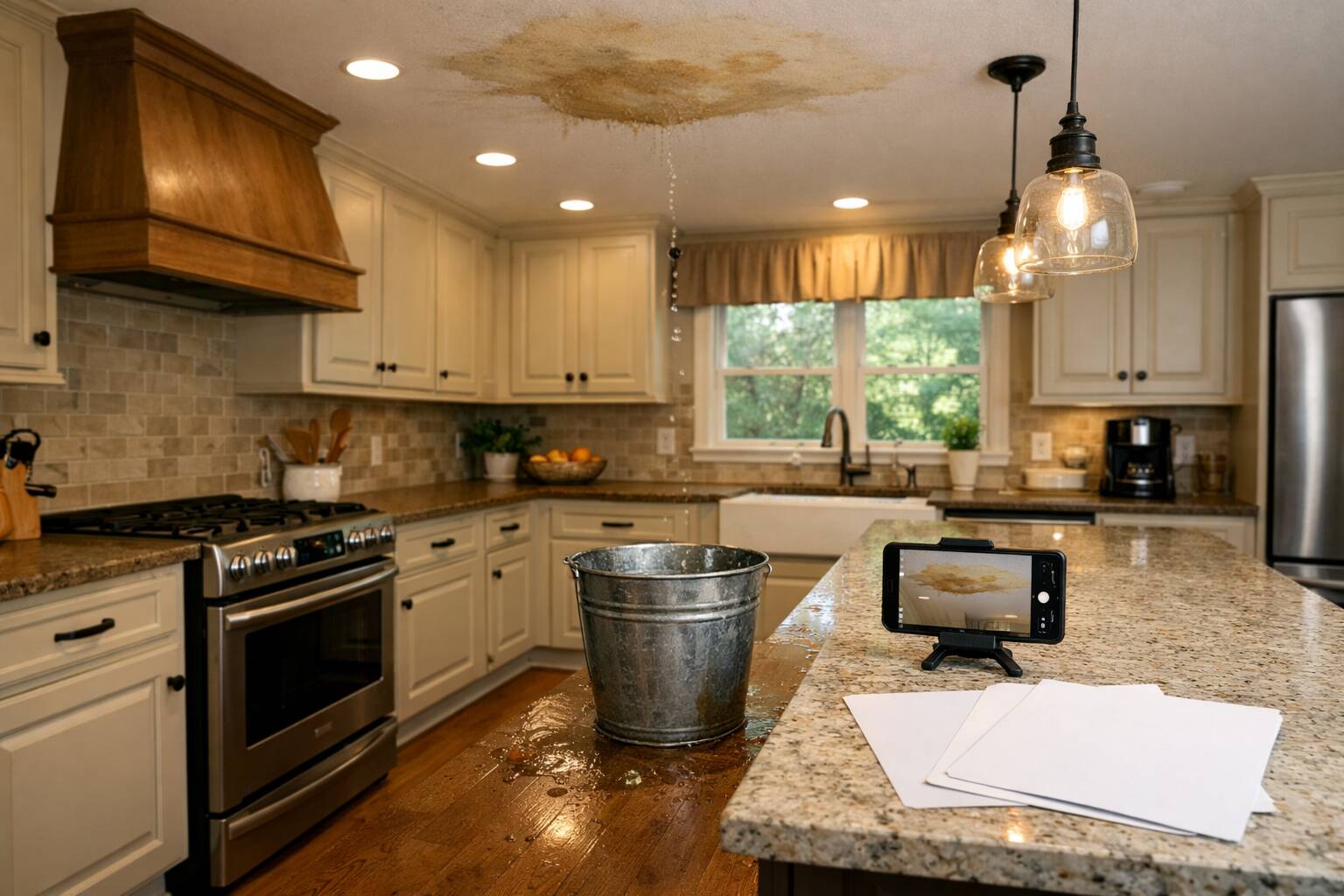
One of the first questions homeowners ask after discovering water damage is whether insurance will cover it. The honest answer is: it depends. Here's a plain-language breakdown of how coverage typically works in Georgia, so you know what to expect before you call your insurer.
What's Usually Covered
Sudden and Accidental Water Damage
Most standard homeowners policies cover water damage that's sudden and accidental. Common examples include a pipe that bursts unexpectedly; an appliance, like a washing machine or water heater, that fails suddenly; and water damage from a covered storm event, such as wind-driven rain entering through storm damage to the roof.
What's Usually Not Covered
Gradual Damage, Maintenance Issues, and External Flooding
Standard policies typically exclude damage that results from a lack of maintenance or a problem that developed gradually over time. That includes long-term leaks that went unnoticed or unaddressed; damage from poor maintenance, like a neglected roof or failing plumbing; flooding from an external source, like a rising creek or heavy rainwater entering from outside, which usually requires separate flood insurance; and sewage backups, unless a specific endorsement or rider was added to the policy.
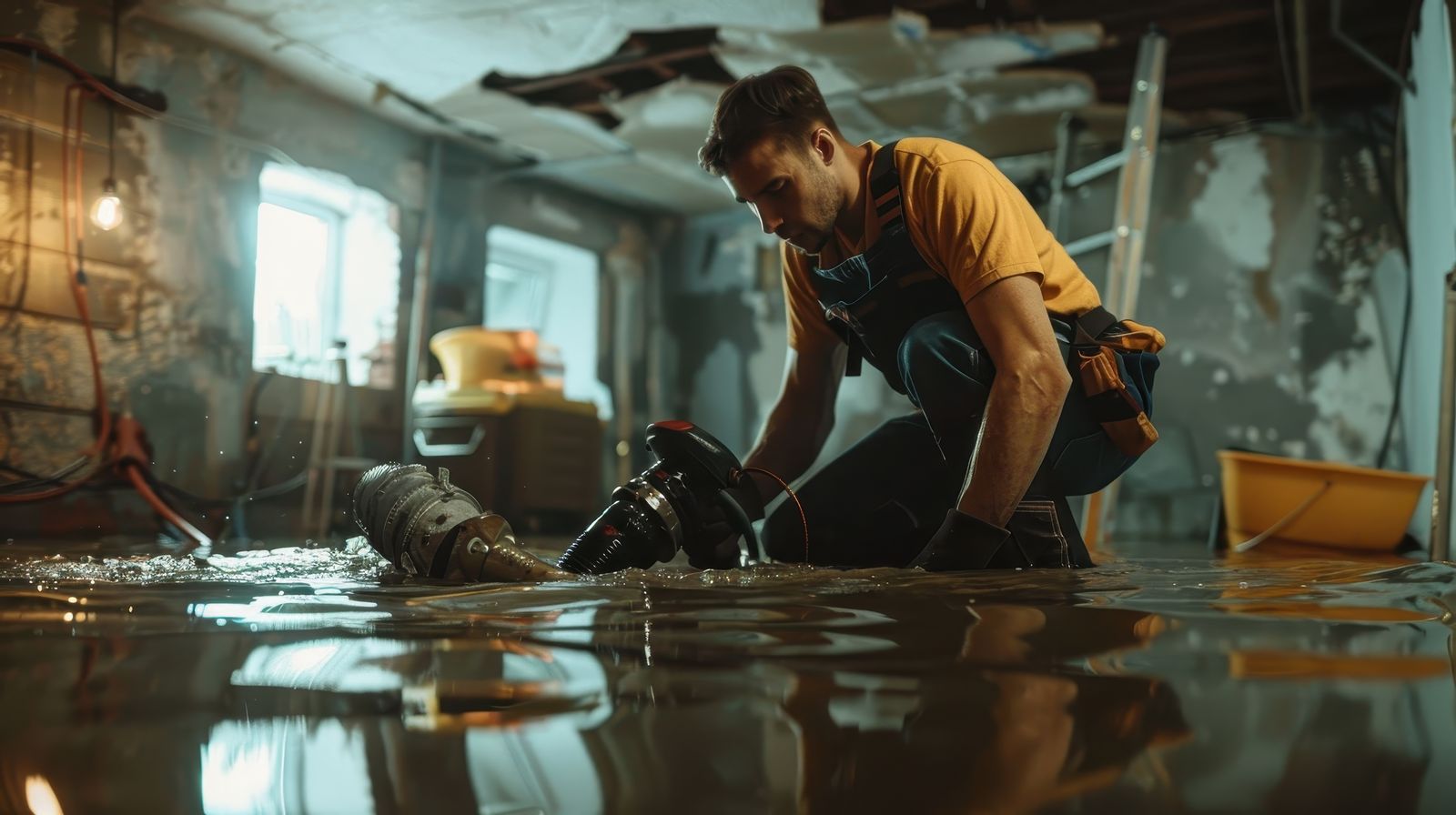
Water damage restoration — Decatur, GA
Why the Cause of the Damage Matters So Much
Sudden Events vs. Damage That Built Up Over Time
Insurers draw a hard line between "sudden and accidental" damage and damage that built up over time. A pipe that bursts on a Tuesday is a very different claim than water damage from a slow leak that had been dripping for months. Documentation and a clear timeline matter here — this is part of why fast professional response after a water event is so valuable, both for the recovery itself and for supporting a claim.
Does Insurance Pay for the Restoration Work Itself?
Mitigation and Drying Usually Follow the Underlying Claim
If the water event itself is covered, the cost of water damage restoration — extraction, drying equipment, removal of materials that can't be saved, and the repairs afterward — is generally handled as part of that same claim. Most policies also expect you to take reasonable steps to stop further damage, which is why starting water removal and drying right away usually helps rather than hurts a claim. If the underlying cause isn't covered, the restoration work typically isn't either, so the cause question comes first.
Black Water and Sewage Cleanup: How Insurance Treats It
Why Sewage Backups Are Handled Differently
Black water — sewage, toilet overflows that contain waste, or floodwater that has picked up contaminants — needs more than drying. Affected porous materials like carpet, pad and the lower part of drywall are usually removed, and the area is cleaned and treated before rebuilding. Whether insurance pays for that depends on the source. A sewer line backup into the house is often excluded unless your policy carries a water backup or sewage endorsement, while contaminated water from a covered event, like a supply line that floods a bathroom, may be handled under the main claim. In Decatur's older neighborhoods, where many homes still have original clay or cast-iron sewer laterals, it is worth checking whether that endorsement is on your policy before you need it.
Who Gets the Insurance Check?
You, Your Contractor, and Sometimes Your Mortgage Lender
Claim payments for damage to the house are usually made out to the policyholder. On larger dwelling claims, your mortgage company is often named on the check as well, and it may hold the funds and release them in stages as repairs are completed. Payments for contents, like furniture and belongings, generally go to you directly. Your deductible is your responsibility either way. Ask your adjuster up front how payments on your claim will be issued so the restoration and repair schedule isn't held up waiting on a signature.
Steps to Take If You're Filing a Claim
Document, Record, and Get a Professional Assessment
Document the damage thoroughly with photos and video before cleanup begins. Keep records of when the damage was discovered and any steps taken immediately after. Get a professional assessment, which can help establish the cause and extent of the damage. And review your specific policy or talk to your agent about what's included, since policies vary.
A Note on Flood and Sewage Coverage
Coverage That Usually Requires a Separate Policy or Rider
Standard homeowners policies in Georgia typically don't include flood coverage from external sources — that requires a separate flood insurance policy. Similarly, sewage backup coverage is often an optional add-on rather than a standard inclusion, so it's worth checking your policy specifically for this.
The Bottom Line
Cause, Documentation, and Your Policy Terms
Coverage comes down to cause, documentation, and your specific policy terms. When in doubt, a conversation with your insurance agent — paired with clear documentation from a professional assessment — is the best way to know where you stand. Dealing with water damage in the Decatur area? Call (678) 582-2476 for 24/7 emergency response and documentation to support your claim.
Dealing With Water Damage?
Water where it shouldn't be? Get a crew headed your way. 24/7 emergency response across Decatur and DeKalb County.
📞 Call (678) 582-2476